Must See Greek Islands
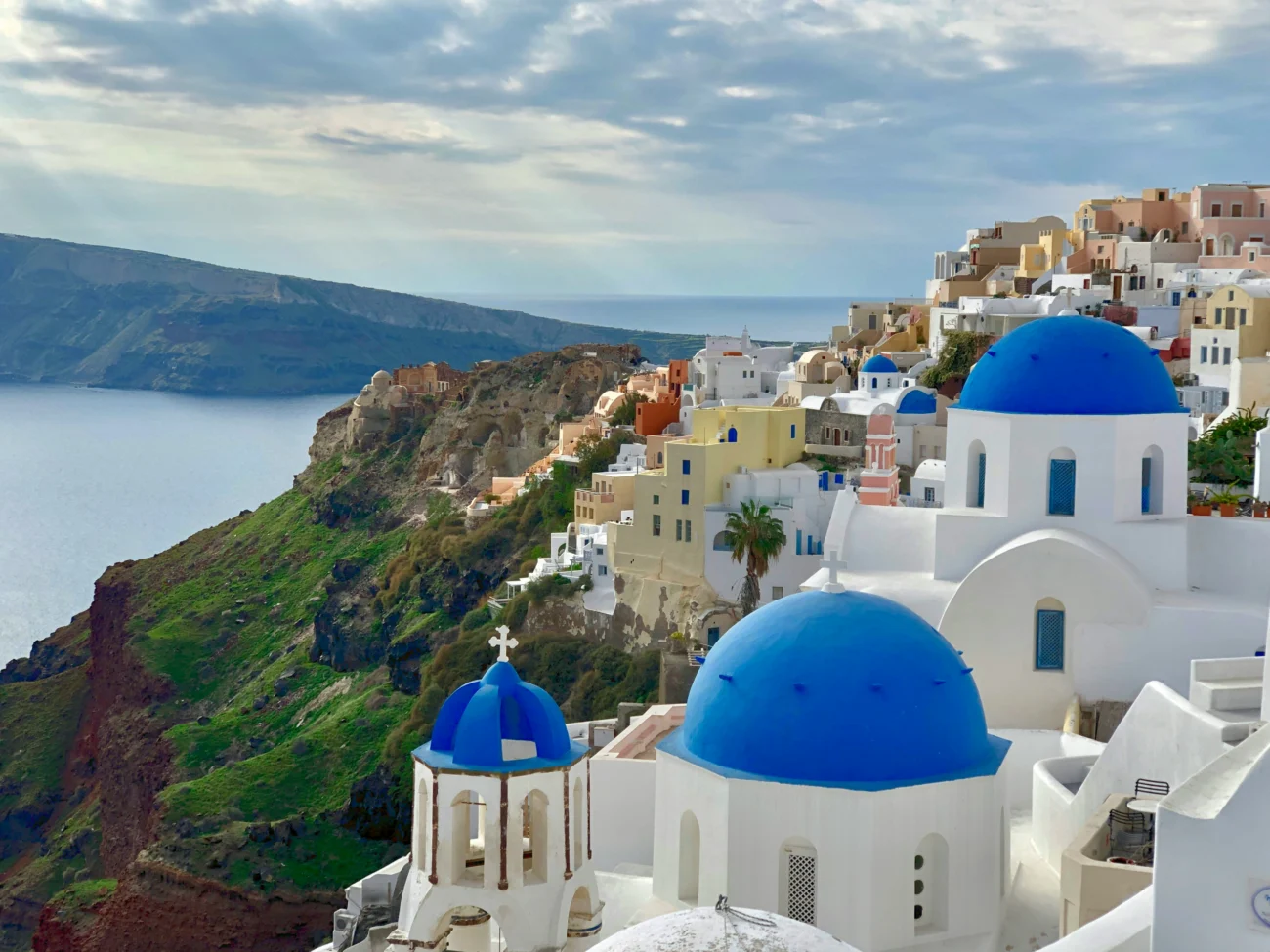
The Cyclades islands are where the Aegean Sea meets timeless Greek magic. Whitewashed villages perched on cliffsides, volcanic landscapes that steal your breath, ancient ruins that rewrite your understanding of history, and waters so blue they seem almost unreal. This is Greece at its most extraordinary. Santorini’s iconic blue domed churches and caldera sunsets are the stuff of legend. Mykonos blends cosmopolitan energy with centuries of maritime charm. Naxos stands proud with the ancient Temple of Apollo guarding its harbour. And sacred Delos, a UNESCO World Heritage Site, offers one of the greatest open air archaeological experiences in the entire Mediterranean.
Whether you are chasing sunsets, ancient history, hidden beaches, or simply the perfect plate of fresh seafood by the sea, the Cyclades deliver it all. Twenty four islands. Countless stories. One unforgettable destination.
Explore the Cyclades. Find your island.
Visiting Cyclades for the first time?
Most people start with the popular islands like Santorini, Mykonos or Naxos, and honestly, they are famous for good reason. You will find amazing food, friendly locals, and some truly breathtaking scenery that will take your breath away. The island hopping ferry system is really straightforward once you understand it, and getting between islands is half the adventure.
What really matters is that you take your time and soak in the experience. Do not try to rush through too many islands. Pick two or three, explore them properly, swim in the crystal clear waters, watch spectacular sunsets, and eat the most delicious fresh seafood. Speak to locals, try the traditional restaurants away from the tourist spots, and wander through those gorgeous whitewashed villages without a set plan.
Your first visit to the Cyclades will be unforgettable. Trust us on this one.
Find out moreTheatre Tickets
Where to Eat
Where to Stay
Attractions
How to Travel
Museum Ticket
Cyclades tourist information
Best time to visit
April to June or September to October. Temperatures between 15°C and 25°C are ideal for walking and sightseeing. Spring brings wildflowers and fewer crowds, whilst autumn offers warm seas and relaxed atmosphere.
How to get there
Athens International Airport “Eleftherios Venizelos” (ATH) is about 27 km from the city centre. You can catch a domestic flight to Mykonos or Santorini, or take a ferry from Piraeus Port. Ferries run daily to most Cyclades islands.
How to get around
Public transport is simple and reliable. Use ferries to island hop, local buses on each island, or just walk through whitewashed villages and along stunning coastlines. Taxis and scooter rentals are also widely available.
How many days in Cyclades?
Spend at least 5 to 7 days to explore multiple islands properly and enjoy local food and culture. Most visitors spend 2 to 3 days per island.
Top attractions
- Santorini’s Blue-Domed Churches
- Mykonos Windmills & Little Venice
- Delos Archaeological Site
- Naxos Temple of Apollo
- Paros Ancient Marble Quarries
- Syros Ermoupoli Neoclassical Town
Must Do Experience
- Watch a sunset from Oia village
- Island hop between Santorini and Mykonos
- Swim in crystal clear Aegean waters
- Taste fresh seafood at waterfront tavernas
- Explore medieval Kastro neighbourhoods
Good to know
Book ferries in advance during summer because they can sell out quickly. Restaurant reservations are essential for dinner in peak season. Many businesses close from November to March. The Meltemi wind blows strongly in July and August, so pack light layers.
What to visit in Cyclades (Greece)
The Cyclades islands offer an enchanting blend of natural beauty, ancient history, and quintessential Greek charm. From dramatic volcanic landscapes to archaeological wonders, these islands captivate millions of visitors annually. Santorini’s iconic blue-domed churches perched on caldera cliffs provide unforgettable sunset views. Mykonos‘ legendary windmills and Little Venice charm visitors with timeless maritime heritage. Naxos showcases the ancient Temple of Apollo, a monumental gateway framing the Aegean Sea. The sacred island of Delos reveals remnants of ancient Greek civilization, featuring temples, theaters, and sanctuaries dedicated to Apollo. Paros offers extraordinary ancient marble quarries the Grotto of the Nymphs and Grotto of Pan where translucent Parian marble was extracted for masterpieces like the Venus de Milo. Syros captivates with Ermoupoli’s neoclassical architecture, the Belle Époque Apollo Theater, and medieval Ano Syros’ winding alleyways. Whether seeking romantic moments, cultural exploration, artistic heritage, archaeological discovery, or breathtaking photography opportunities, these six attractions represent the essence of Cycladic excellence and remain must-visit destinations for travelers worldwide.
Blue Domed Churches
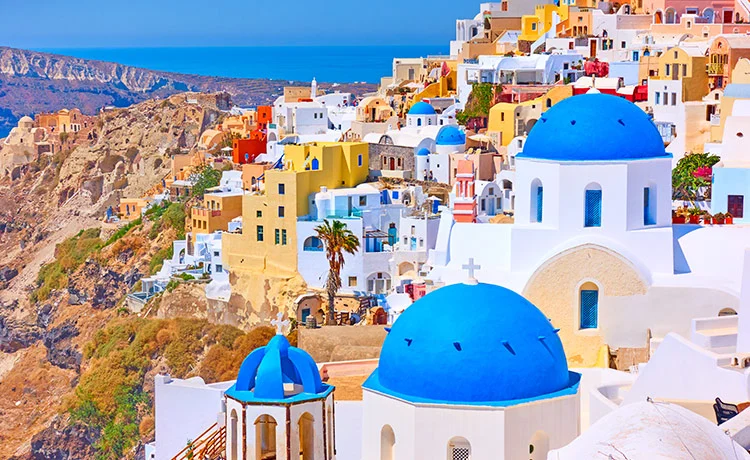
Iconic whitewashed blue domed churches perched on volcanic cliffs overlooking the Aegean Sea, offering world-famous sunset views and quintessential Greek island photography.
Mykonos Windmills
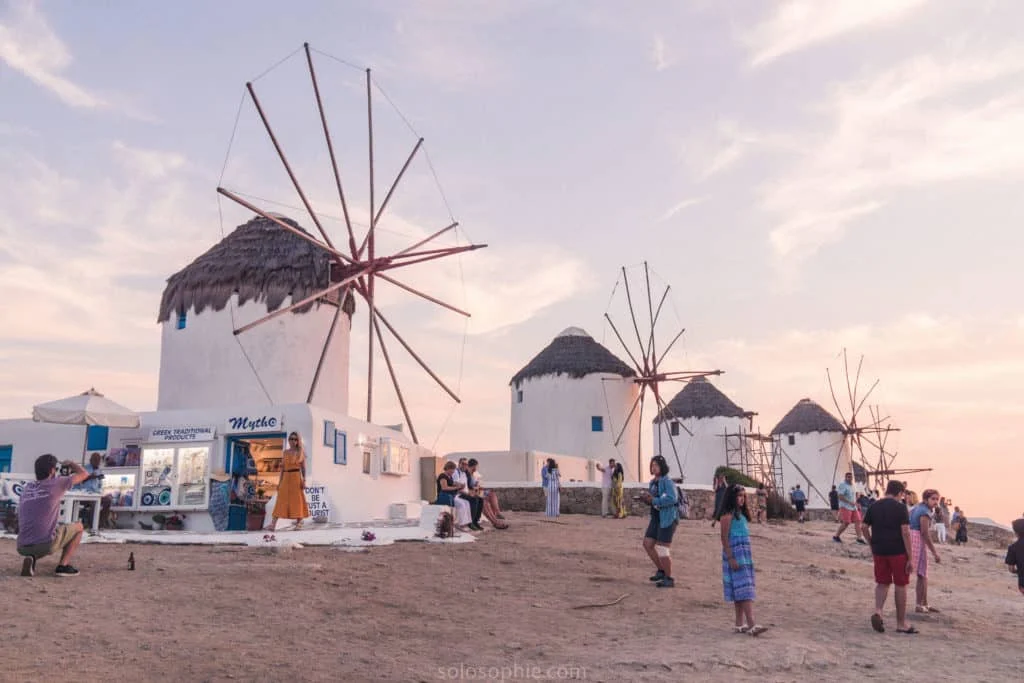
Six historic 16th-century stone windmills standing sentinel above charming Little Venice’s colorful Venetian merchants’ houses built directly on the picturesque waterfront.
Delos Archaeological Site
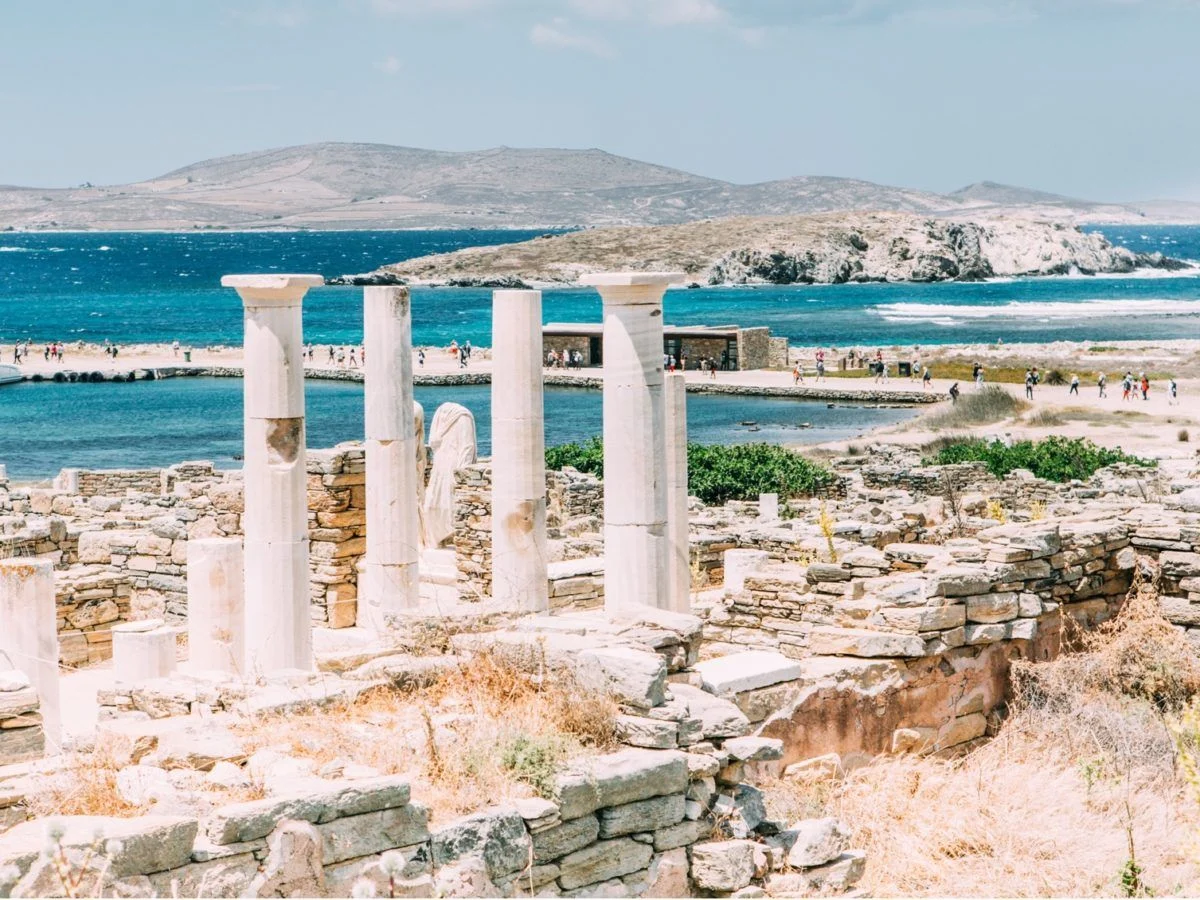
Sacred birthplace of Apollo revealing extraordinary 3,000-year-old archaeological treasures including marble lions, ancient temples, theater, and museum artifacts from antiquity.
Temple of Apollo
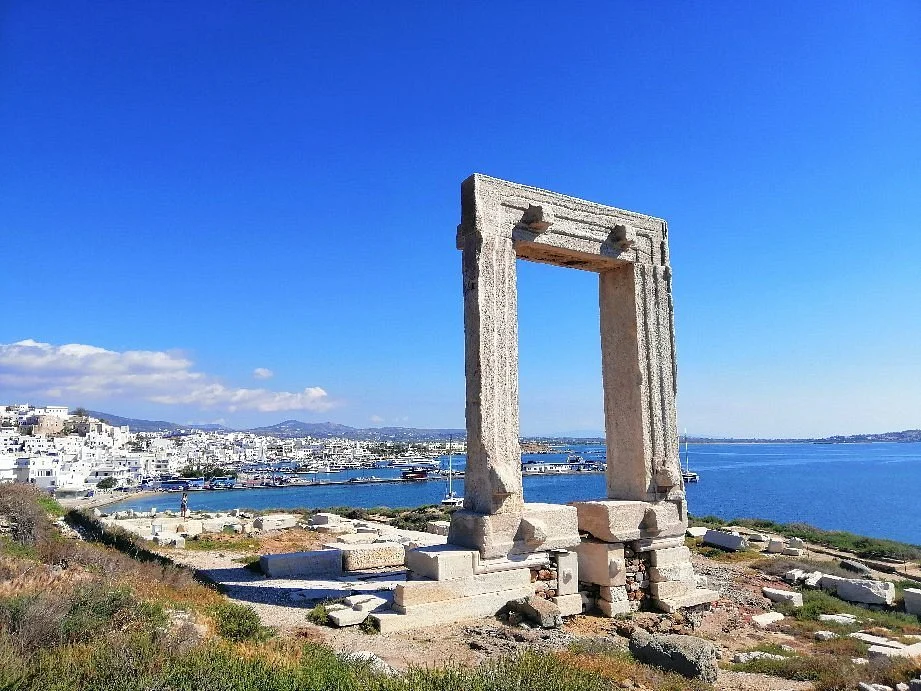
Monumental marble gateway columns of ancient Apollo’s temple frame the Aegean Sea and neighboring islands, crowned by striking golden hour silhouettes.
Paros Marble Quarries
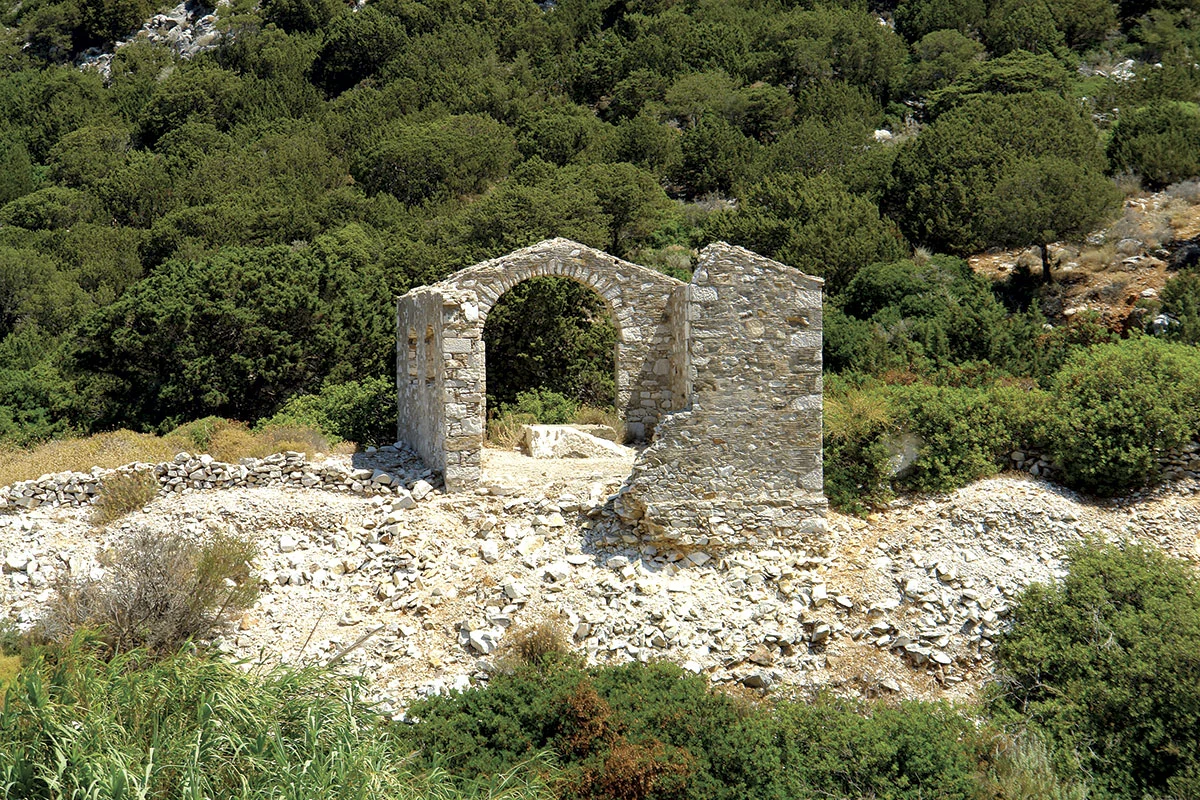
Underground 2,500-year-old marble caves where legendary Parian marble was extracted for masterpieces like Venus de Milo and Nike of Samothrace sculptures.
Neoclassical Capital
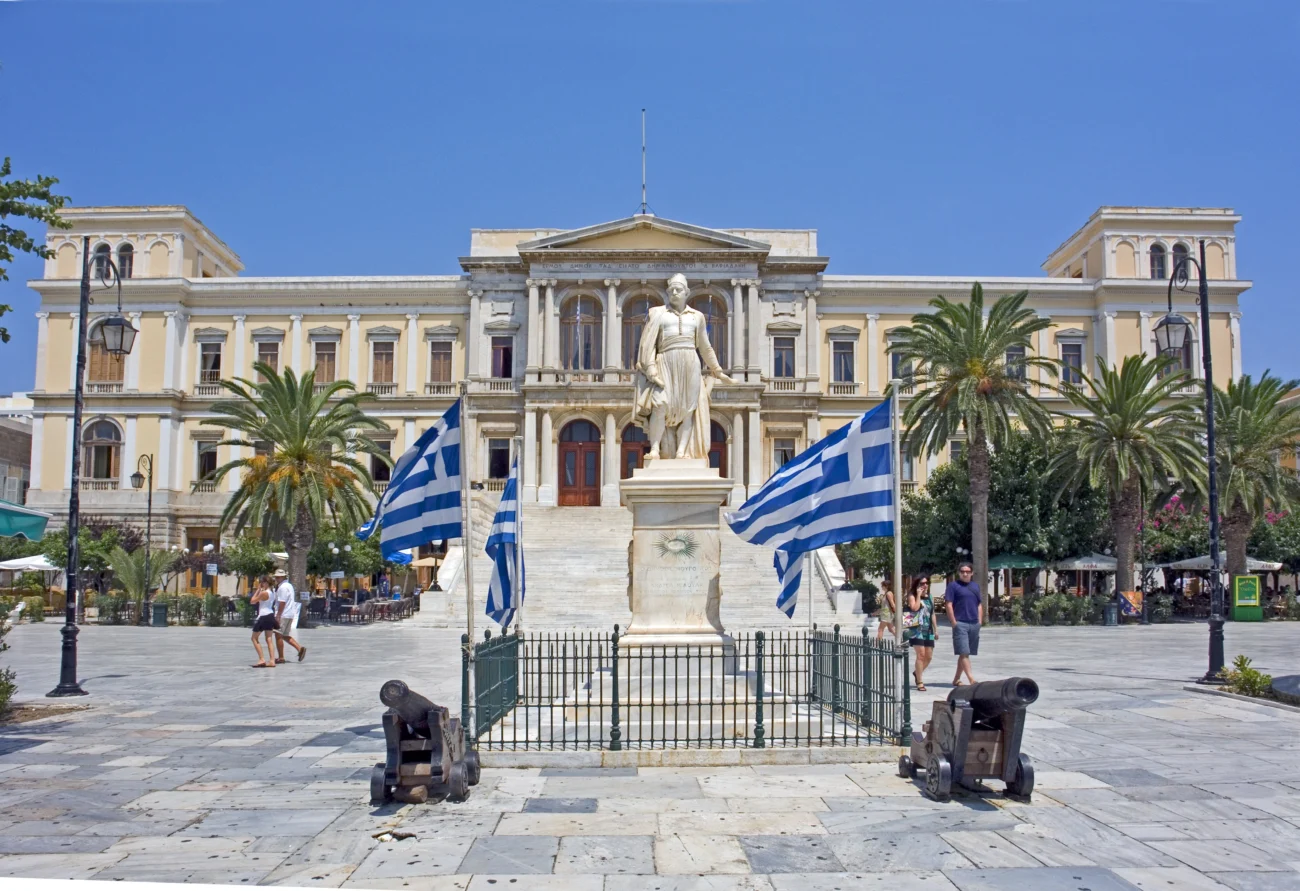
Belle Époque neoclassical port capital featuring elegant Town Hall, Apollo Theater inspired by Milan’s La Scala, and medieval Ano Syros hilltop village.
Best Time to Visit Cyclades, Greece
The Cyclades shine brightest during spring and autumn when the weather is absolutely glorious. April through May brings mild temperatures around 15 to 25 degrees Celsius, wildflowers blooming everywhere, and far fewer tourists crowding the islands. September and October offer equally wonderful conditions with warm seas still perfect for swimming, slightly lower prices, and thinning crowds. Summer is spectacularly sunny but extremely busy and expensive. July and August can feel packed with tourists and the Meltemi wind blows strongly.
Winter months from December to February are quiet and peaceful, though many restaurants and hotels close. If you want the perfect balance of good weather, manageable crowds and reasonable prices, late September is genuinely your sweet spot. The sea remains beautifully warm, the sunsets are stunning, and the islands feel more relaxed. Whenever you visit though, the Cyclades offer something magical. Your visit will be unforgettable.
Average Weather in Cyclades
| Month | Av. Maximum (°C) | Av. Minimum (°C) | Sunshine (hours/day) | Rain (mm) |
|---|---|---|---|---|
| Jan | 6 | 1 | 2 | 60 |
| Feb | 7 | 1 | 3 | 50 |
| Mar | 11 | 3 | 4 | 55 |
| Apr | 15 | 5 | 5 | 50 |
| May | 19 | 9 | 6 | 65 |
| June | 22 | 12 | 7 | 75 |
| July | 24 | 14 | 7 | 70 |
| Aug | 24 | 13 | 7 | 65 |
| Sept | 20 | 11 | 5 | 60 |
| Oct | 15 | 8 | 4 | 55 |
| Nov | 9 | 4 | 2 | 70 |
| Dec | 6 | 2 | 2 | 75 |
Where is Cyclades Located in Greece?
The Cyclades islands sit right in the heart of the Aegean Sea, forming one of Greece’s most iconic and enchanting archipelagos. These stunning islands are positioned in the southern Aegean, roughly between the Greek mainland and the island of Crete. They’re part of the South Aegean administrative region and stretch across a vast area of sparkling blue waters.
The name Cyclades comes from the ancient Greek word meaning “circle”, because the islands were believed to form a circle around the sacred island of Delos. Today, around 2,220 islands make up this group, though only about 24 are actually inhabited. The most famous and visited islands include Santorini, Mykonos, Paros, Naxos, and Syros.
Getting to the Cyclades is straightforward. Most visitors fly into Athens first, then either catch a domestic flight or take a ferry to reach their chosen island. The journey across the sparkling Aegean Sea is simply magical and sets the perfect tone for your Greek island adventure.